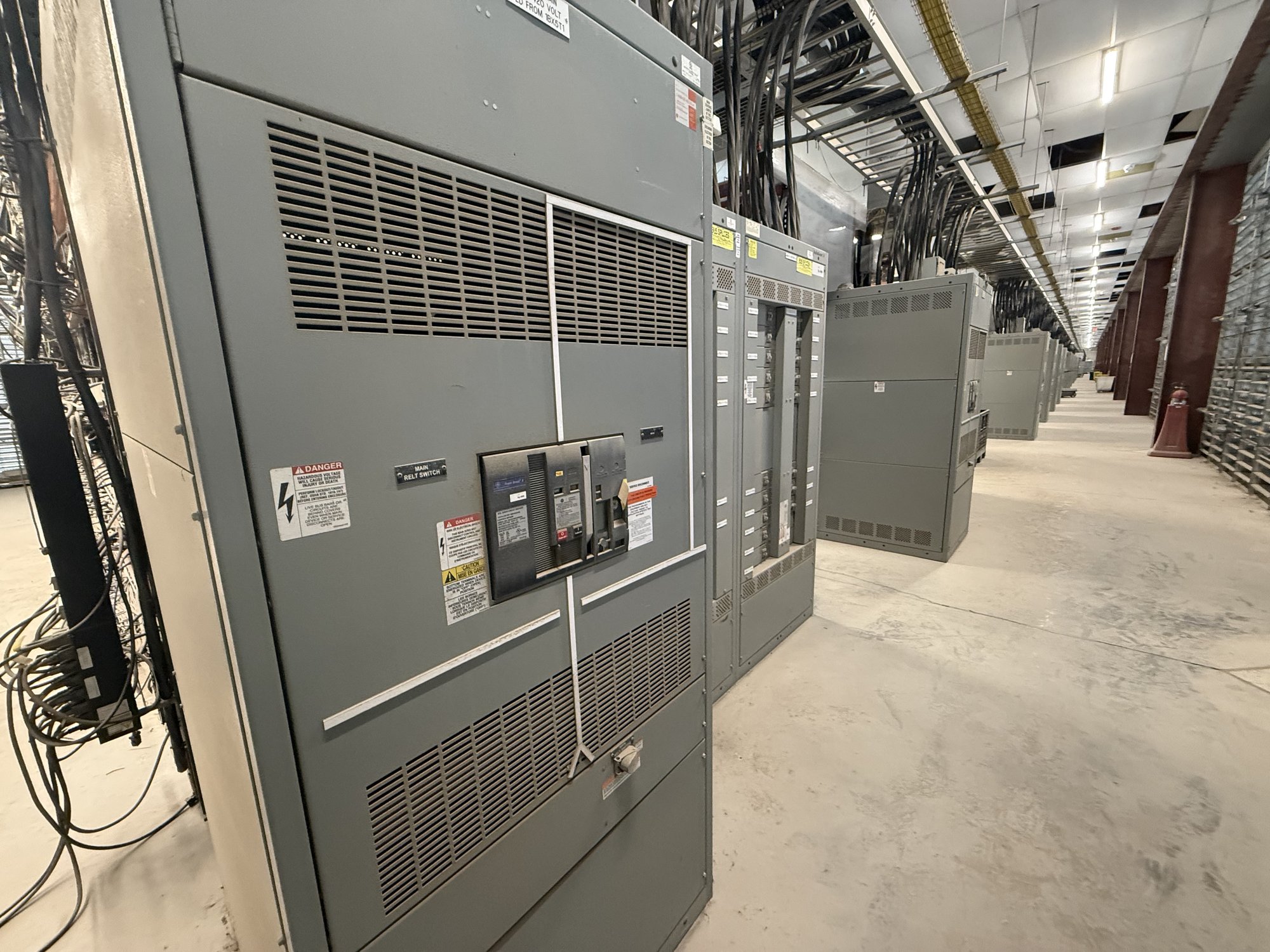
Switchgear Rigging Begins with Section-by-Section Weight Verification
A switchgear lineup may look like one continuous assembly, but its sections can differ in construction, contents, and weight. A lineup-wide estimate is not a safe substitute for knowing the weight of each section and any separately handled accessories. If a figure is guessed from the overall lineup, a lifting plan may be based on a load distribution that does not reflect what will actually be moved.
For a New York equipment owner planning removal, the practical objective is to establish what is present and what reliable weight information exists before qualified personnel develop a handling plan. The buyer can review available records and equipment details when considering a purchase, but the final removal method and lifting arrangements must be determined by the qualified people responsible for the site and the work.
Inventory the Lineup Before Seeking Weight Figures
Start with an inventory that describes the lineup in identifiable sections rather than as a single item. Record the section labels or designations shown on the equipment, the apparent sequence, and any visibly separate accessory or enclosure that may be handled independently. Photographs of exterior labels and overall arrangement can help connect the records to the equipment, provided they are taken from safe locations and without opening enclosures or approaching energized equipment.
Do not assume that two similar-looking sections weigh the same, or that a section’s present contents match an older drawing. Changes made over the equipment’s service life may not appear in a general lineup description. Note uncertainty clearly: an unreadable label, missing drawing, unclear section boundary, or accessory whose handling status is unknown should be recorded for follow-up rather than filled in with a guess.
Use Manufacturer Records Where They Match the Equipment
Manufacturer drawings, equipment schedules, bills of material, shipping documents, and other original records may provide section or component weights. Their usefulness depends on whether they correspond to the specific lineup and its current configuration. Compare identifying information in the records with exterior nameplates and section designations, and flag discrepancies for review. A document for a similar model or a different arrangement should not be treated as proof of the weight of the equipment at the site.
Records may give a shipping weight, an assembled weight, or a figure for a configuration that includes or excludes particular components. Those distinctions matter when deciding what will be handled together. If a record does not define what its weight covers, preserve that ambiguity and ask the manufacturer or another qualified source to clarify it. Do not infer an exact section weight from a generic model description or from the apparent size of the enclosure.
Read Exterior Nameplates from a Safe Location
Exterior nameplates can help identify the manufacturer, model, serial information, and other equipment identifiers needed to locate matching documentation. Capture only information that is visible without opening a door, removing a cover, reaching into equipment, or entering a restricted area. Follow site rules for access and photography. If a label cannot be read safely, have the site’s qualified personnel determine how identification should proceed.
A nameplate does not necessarily state the lifting weight of a section. Its value may be in connecting the equipment to the correct drawings or records. Treat identification and weight verification as related but separate tasks: a model number can narrow the document search, while the applicable weight still needs support from records that match the actual configuration or from qualified weighing.
When Records Are Missing, Seek Qualified Weighing
If reliable records cannot establish individual section and accessory weights, qualified weighing may be needed. The method, conditions, and scope should be decided by personnel competent to assess the equipment and the proposed work. The seller should not attempt to weigh, move, dismantle, disconnect, or prepare the equipment for lifting. Site requirements and the condition of the installation govern what can be done and by whom.
Keep reported figures tied to their source. Note whether a weight came from a matching manufacturer record, a qualified weighing process, or remains unverified. This gives the people planning removal a clearer basis for review and prevents an assumed lineup total from being mistaken for confirmed section weights. No lifting capacity or rigging arrangement should be selected from an unsupported estimate.
Coordinate Scope, Schedule, and Qualified Removal
Once the inventory and available weight evidence are assembled, share them with the relevant site contacts and qualified removal personnel. Confirm the proposed scope, access arrangements, site rules, schedule constraints, and which party is responsible for coordinating each step. Section weights and accessory weights are part of the planning information; they do not by themselves settle the removal sequence or establish that a particular lift is suitable.
We buy used, surplus, and decommissioned electrical equipment, including switchgear, switchboards, motor control centers, panelboards, busway, breakers, and unit substations, across all voltage classes. We also buy equipment from decommissioned data centers and shut-down power plants. We can review available records and equipment details for a cash offer; seller testing is not required, and payment is upfront for purchases we agree to make. Acceptance is subject to review, so no purchase is guaranteed before we assess the opportunity.
Plan the Project Around Verified Information
For equipment we purchase, we handle the removal logistics, including crane, rigging, disconnects, loading, freight, and hauling. Qualified personnel perform isolation and physical handling in accordance with site rules. Sharing section-by-section records, clear exterior identification, known uncertainties, and schedule requirements helps the parties review the project and coordinate the work. The key is not to make the lineup’s total weight look precise; it is to distinguish confirmed section and accessory weights from unresolved information before removal planning proceeds.