Albany Multi-Tenant Service Changeout: Selling Retired Gear
A service replacement in a multi-tenant Albany property is a sequence of decisions, not simply a single equipment removal. Tenants may have different outage windows, and a section can remain in service while another is retired. Before offering surplus equipment for sale, establish which gear is actually being replaced, which parts must stay available for the project, and when a qualified crew can access the retired items. A buyer can review equipment for a possible purchase, but no purchase is guaranteed before that review.
Start with the project’s equipment schedule or other records maintained by the owner or its electrical contractor. Use those records to identify the service lineup and the sections proposed for replacement, then confirm the proposed release against the changeout plan. In a phased job, avoid treating the entire lineup as one saleable lot: some sections may be removed earlier, others later, and some may remain in use. Keep equipment that the project team has not cleared for release out of the inventory offered to a buyer.
Separate released gear from project and tenant dependencies
For each phase, note the equipment’s location within the property, its role in the existing service arrangement if known, and its planned status: retained, temporarily needed, scheduled for removal, or available for buyer review. Record the expected release window separately from the tenant outage window. Those dates may differ, and an outage does not by itself mean that equipment is safe to remove or ready to leave the site.
Include associated items that the owner may be able to release, such as retired metering components and spare breakers, but distinguish them from components needed for replacement work, commissioning, operations, or future maintenance. Confirm ownership and release authority for each item. If the status of a component is uncertain, mark it as pending rather than presenting it as available. The owner’s project and electrical personnel should resolve those questions; the buyer’s review is not a substitute for the site’s engineering or safety decisions.
Build an inventory a buyer can review
A practical inventory connects each item to its phase and location. For switchgear, switchboards, panelboards, motor control centers, unit substations, or other equipment, note the equipment type, section or lineup identifier, and any exterior nameplate information that can be read safely. For breakers and metering components, record the identifiers visible on the exterior and the quantity being considered. Keep separate entries for loose spare breakers and components still installed in equipment.
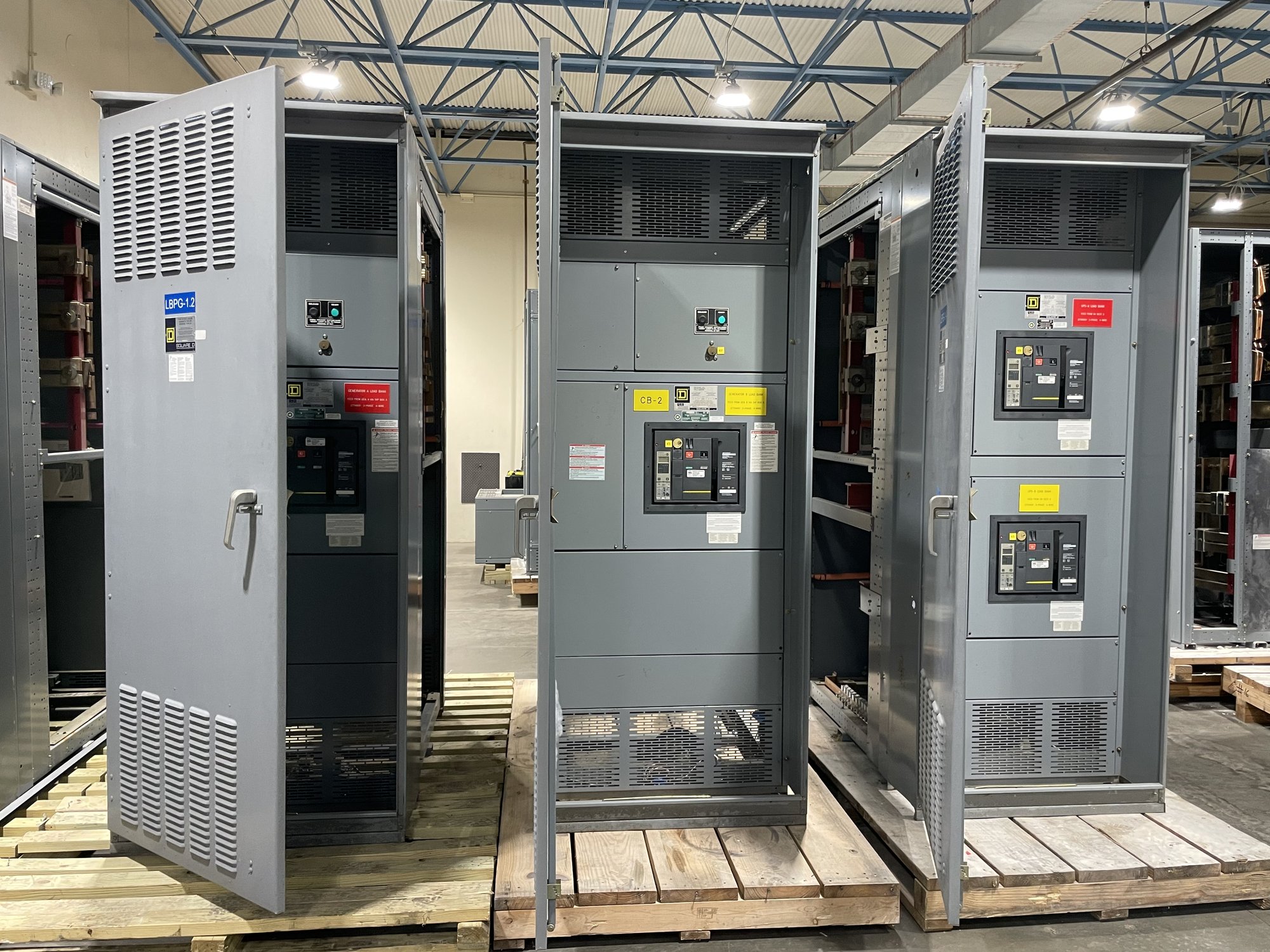
Photographs can help clarify the inventory. Take them only from a safe location and in line with site rules; do not open equipment or approach anything that is energized to obtain a better view. A clear exterior view of the lineup and a legible image of an accessible nameplate are useful when available. If a plate is obscured, damaged, or unreadable from a safe position, state that instead of guessing. Do not remove covers or operate equipment for a buyer’s review.
What information helps shape an offer
Share the available nameplate details and photographs alongside the proposed item list, phase, site access constraints, and anticipated release timing. Note whether the equipment is installed or already removed, whether related breakers or metering components are included, and whether the quantity is confirmed or estimated. If records identify a manufacturer, model, or ratings, provide only what the records or safely visible exterior markings actually show. The buyer can assess the information provided and determine whether to make an offer; incomplete details do not justify inventing specifications or assuming acceptance.
Seller testing is not required. Do not energize, test, dismantle, or otherwise alter equipment to prepare it for review. The buyer purchases used, surplus, and decommissioned electrical equipment, including all voltage classes, but that does not mean every item or configuration will be accepted. A review and offer should be based on the particular equipment and information available.
Coordinate removal around the phased schedule
Once equipment is approved for a proposed sale, align the removal plan with the owner’s qualified electrical personnel and the project schedule. Confirm which phase the equipment belongs to, when the site can make it available, and which site rules govern access, isolation, and physical handling. Keep tenant outage planning with the project team. A buyer’s interest in retired equipment should not change the approved outage plan or cause a section to be released before the owner has authorized it.
For purchased equipment, the buyer handles rigging and logistics, including crane, rigging, disconnects, loading, freight, and hauling. Qualified personnel perform isolation and physical handling in accordance with site rules. The seller should not disconnect, dismantle, lift, load, or arrange freight. Discuss access and timing early enough to fit the approved removal window, while leaving isolation and work authorization to the people responsible for the site.
Plan the sale as one part of the changeout
Keep the equipment inventory, tenant outage calendar, and release approvals aligned as the project advances. Update the buyer if a phase date changes, an item is retained, or a listed quantity turns out to be different. This helps prevent a retired section from being confused with equipment still needed for the replacement or ongoing service. For equipment located in Albany, a review can begin with the records and safe exterior information the owner already has. Offers are paid upfront when a purchase is agreed, but each item remains subject to review; payment terms do not guarantee that the equipment will be purchased.