A practical way to sell electrical equipment
Selling Busway & Bus Duct in Saratoga Springs starts with identifying what is available, rather than guessing its value from its age or enclosure size. We are buyers of used, surplus, and decommissioned electrical distribution equipment. We can review an individual item or a defined group of equipment and discuss an offer if the lot is a fit. Tell us its approximate location, condition, and expected release date along with any existing identification.
We buy electrical switchgear from decommissioned data centers and shut-down power plants, along with other surplus distribution equipment. For equipment we agree to buy, we handle and cover the crane, rigging, disconnects, loading, freight, and hauling. You do not need to arrange or perform that physical work: you get paid and our team handles removal and logistics. Qualified personnel follow site isolation and safety rules, and no seller testing is required.
Identify the equipment and the lot
Busway is best described as a collection of identifiable runs and fittings. Approximate the total length and list straight sections, elbows, tap boxes, and other pieces included, if known. Photograph accessible labels showing the manufacturer and electrical ratings, and indicate whether the pieces are still installed or already on pallets. Identify associated parts in the description if known; there is no need to move or disturb equipment for an inquiry.
When the equipment is in Saratoga Springs, an approximate pickup location and a description of the site's access are useful from the outset. Mention security or appointment requirements, the location of the lot within the property, and any deadline already established by the owner. These details help us coordinate a potential collection without assuming a particular building, neighborhood, or site arrangement.
Details that help us review an inquiry
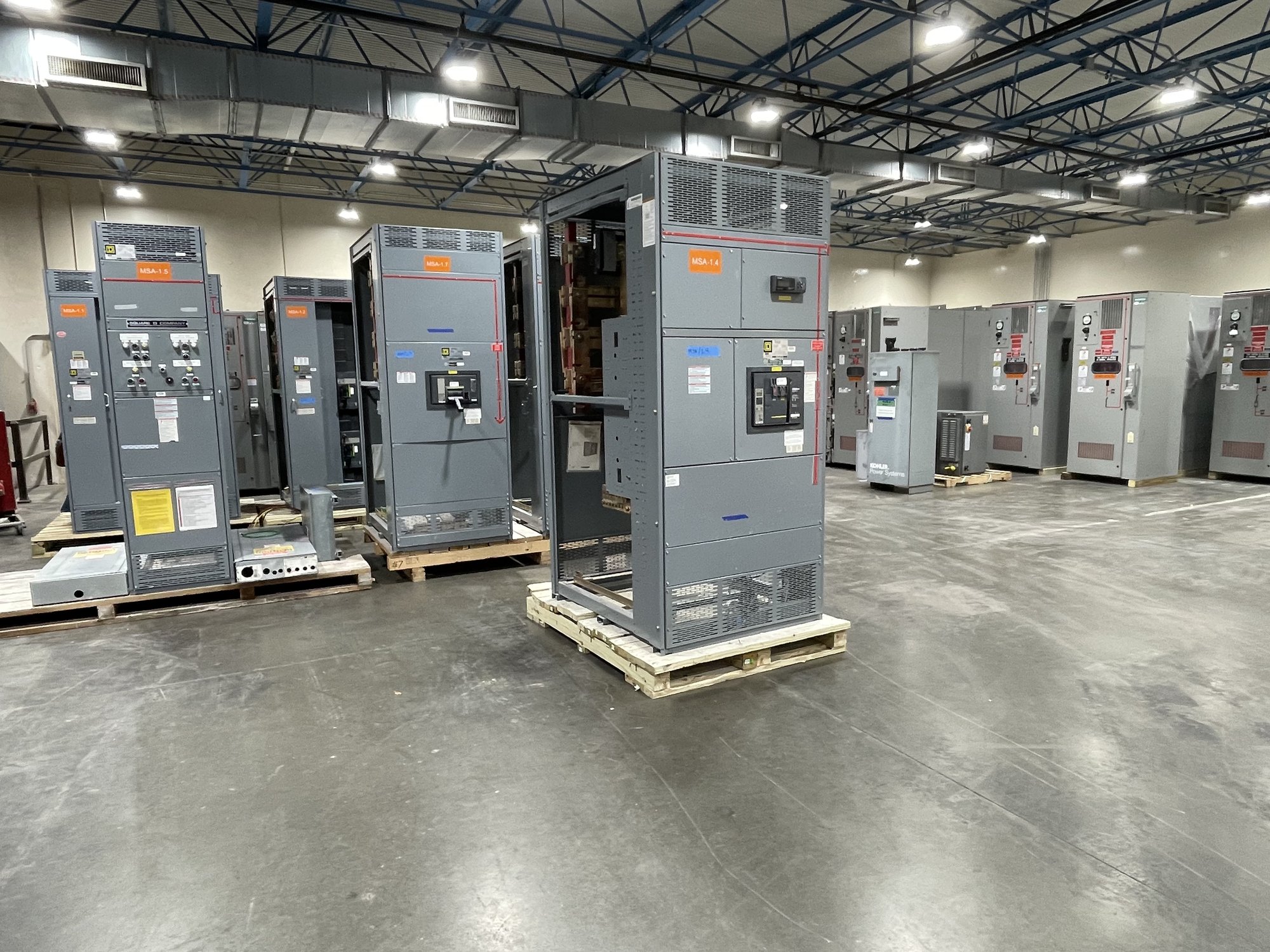
Start with the number of pieces or vertical sections, the manufacturer, and the model or series if it can be read safely. Record the stated voltage and amperage from accessible nameplates, along with approximate dimensions and weight if known. Photographs of the complete assembly, its exterior condition, and its labels are useful. For a mixed lot, list different types separately and indicate whether loose breakers or accessories belong with a particular lineup.
Describe condition without additional testing
We consider used, surplus, and decommissioned equipment, so describe its actual condition as accurately as you can. Tell us about visible corrosion, damage, missing doors, absent breakers, or parts stored separately. An existing maintenance history or previous test report can be shared if available, but it is optional. We do not require the seller to test, energize, operate, or certify the equipment to request an offer.
Keep electrical safety and site control first
Safety takes priority over a faster quote. We handle disconnection and removal of the agreed equipment, with qualified personnel following site procedures to de-energize, isolate, lock out, and verify it before physical handling. Do not assume that an enclosure is safe because it is old, labeled surplus, or apparently switched off. Share exterior photographs and existing documentation instead of entering restricted areas, opening panels, or operating equipment for our benefit; no seller testing is required.
How an offer is considered
The proposed lot, not a generic price list, is the basis for a purchase decision. Manufacturer and model, voltage class, ratings, age if known, completeness, condition, and access can all affect review. We consider all voltage classes and both individual items and larger assemblies. Because each situation differs, an offer depends on the information and equipment involved and should be confirmed before anything is scheduled.
We handle rigging and logistics
The crane, rigging, disconnects, loading, freight, and hauling are on us for equipment included in an agreed purchase. We handle removal and transport rather than asking you to arrange or perform those tasks. Tell us if the lot is in a basement, upper floor, equipment room, warehouse, or outdoor area, and note any known access restrictions. Approximate measurements and section counts help with planning, while qualified personnel follow site isolation and safety rules.
Cash offer and payment upfront
Our purchase process is based on a cash offer, not a trade-in or a consignment listing. When an offer is accepted, payment is made upfront before pickup, using the payment method agreed by the parties. The written agreement should identify the amount and the items included, along with the collection plan. The equipment must be reviewed before an offer is made, and an inquiry by itself does not guarantee a purchase.
Steps from first message to pickup
You can start with one clear message: what the equipment is, how much is available, where it is located, and when it can be released. Attach safely obtained overall and nameplate photos if possible, and identify any known missing or damaged components. If the lot is suitable, we can discuss an offer. Accepted purchases receive upfront payment, and we handle and cover disconnection, rigging, loading, freight, and hauling for the agreed equipment.
Common questions before you contact us
What if a lineup has missing components? Describe the omissions and include photographs; condition is part of the review, not something to conceal. What if several voltage classes are represented? Identify the available ratings for each item; all voltage classes are considered. Do you need to run tests for us? No. Who handles on-site work? We handle and cover disconnection, rigging, loading, freight, and hauling for equipment we agree to buy.