A practical way to sell electrical equipment
If you have used, surplus, or decommissioned Automatic Transfer Switches (ATS) in Kingston, we are interested in reviewing it for purchase. We buy electrical distribution equipment; this is a buyer service, not a listing of equipment for sale. A useful inquiry can start with a few safe photographs and whatever identification is already available. Whether the material is a single item or a larger lineup, describe what you have and when it may be available.
We buy electrical switchgear from decommissioned data centers and shut-down power plants, along with other surplus distribution equipment. For equipment we agree to buy, we handle and cover the crane, rigging, disconnects, loading, freight, and hauling. You do not need to arrange or perform that physical work: you get paid and our team handles removal and logistics. Qualified personnel follow site isolation and safety rules, and no seller testing is required.
Identify the equipment and the lot
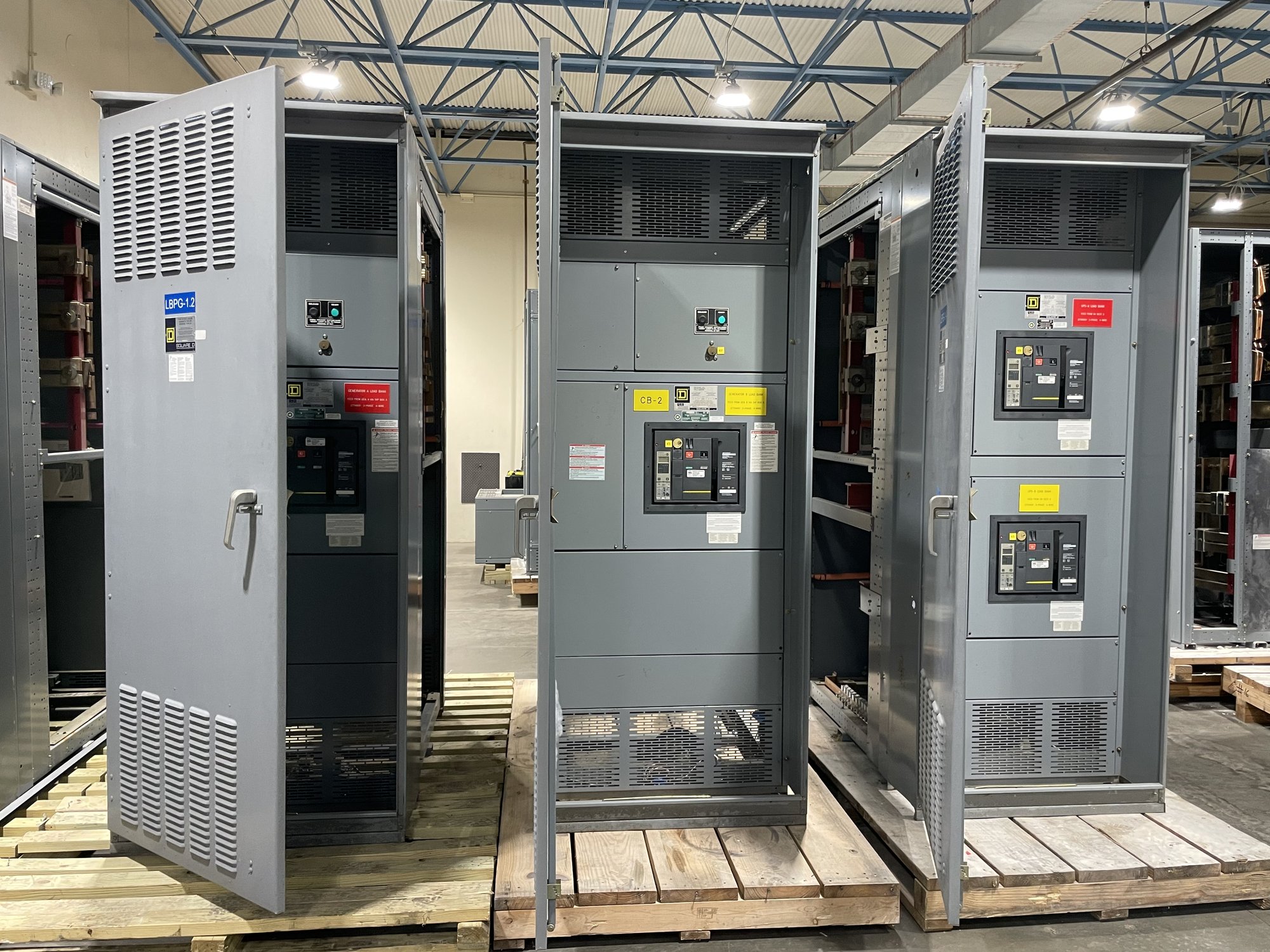
A transfer switch can be evaluated as a complete enclosure or as part of a broader distribution-equipment lot. Show the overall cabinet and safely accessible nameplate, and explain whether controls, doors, and associated hardware are included. If an existing schedule identifies the equipment, it can reduce uncertainty about ratings and configuration. We do not ask the seller to perform an operational transfer test.
For a collection in Kingston, describe the equipment's actual pickup point, not just the project name. Tell us whether it is inside a building, at a loading dock, or in an outdoor staging area, and provide the anticipated release date. Local access and site rules vary by property; the information you supply lets us discuss a realistic plan without assuming anything about your facility.
Details that help us review an inquiry
For a first review, describe the equipment type, quantity, manufacturer, and any model and electrical ratings already recorded. Include the pickup location and whether the material is installed, removed, or in storage. Clear exterior photos and accessible nameplates help establish what the lot contains. If an existing asset list, one-line drawing, or section schedule is available, it may help explain a larger or more complex collection.
Describe condition without additional testing
A straightforward condition description is more useful than a guess that the equipment works. Note whether it has been exposed to water, sustained visible damage, or is missing components, if known. Existing records may be helpful, but they are not a condition of asking for a quote. No seller testing is required, and you should not energize or operate retired equipment to demonstrate its condition to us.
Keep electrical safety and site control first
Safety takes priority over a faster quote. We handle disconnection and removal of the agreed equipment, with qualified personnel following site procedures to de-energize, isolate, lock out, and verify it before physical handling. Do not assume that an enclosure is safe because it is old, labeled surplus, or apparently switched off. Share exterior photographs and existing documentation instead of entering restricted areas, opening panels, or operating equipment for our benefit; no seller testing is required.
How an offer is considered
The proposed lot, not a generic price list, is the basis for a purchase decision. Manufacturer and model, voltage class, ratings, age if known, completeness, condition, and access can all affect review. We consider all voltage classes and both individual items and larger assemblies. Because each situation differs, an offer depends on the information and equipment involved and should be confirmed before anything is scheduled.
We handle rigging and logistics
For equipment we agree to buy, we handle and cover the crane, rigging, disconnects, loading, freight, and hauling. You do not need to arrange or perform the physical work. To help us plan, tell us the pickup location, approximate dimensions and weights if known, number of pieces, and whether the lot is inside, outside, or at a loading dock. Mention known door clearances and access restrictions; qualified personnel follow the site's isolation and safety procedures.
Cash offer and payment upfront
If the equipment is a fit, we can make a cash offer for the agreed lot. Payment is upfront, before collection, on the accepted terms. Confirm the amount, payment method, included items, and collection arrangements before proceeding; a cash offer means payment rather than an equipment trade, not a promise of physical banknotes. Offers depend on the equipment and are not guaranteed for every inquiry.
Steps from first message to pickup
First, send your contact information, the equipment type, location, and available safe nameplate photographs. Second, describe quantity, known condition, and the date the lot could be released; existing drawings are welcome but not required. We review the information and discuss a cash offer if the equipment is a fit. If you accept, payment is upfront and we handle disconnection, rigging, loading, freight, and hauling, coordinating authorized access with the site.
Common questions before you contact us
What if a lineup has missing components? Describe the omissions and include photographs; condition is part of the review, not something to conceal. What if several voltage classes are represented? Identify the available ratings for each item; all voltage classes are considered. Do you need to run tests for us? No. Who handles on-site work? We handle and cover disconnection, rigging, loading, freight, and hauling for equipment we agree to buy.