A practical way to sell electrical equipment
Selling electrical distribution equipment identified as 1200 Amp in New York starts with identifying what is available, rather than guessing its value from its age or enclosure size. We are buyers of used, surplus, and decommissioned electrical distribution equipment. We can review an individual item or a defined group of equipment and discuss an offer if the lot is a fit. Tell us its approximate location, condition, and expected release date along with any existing identification.
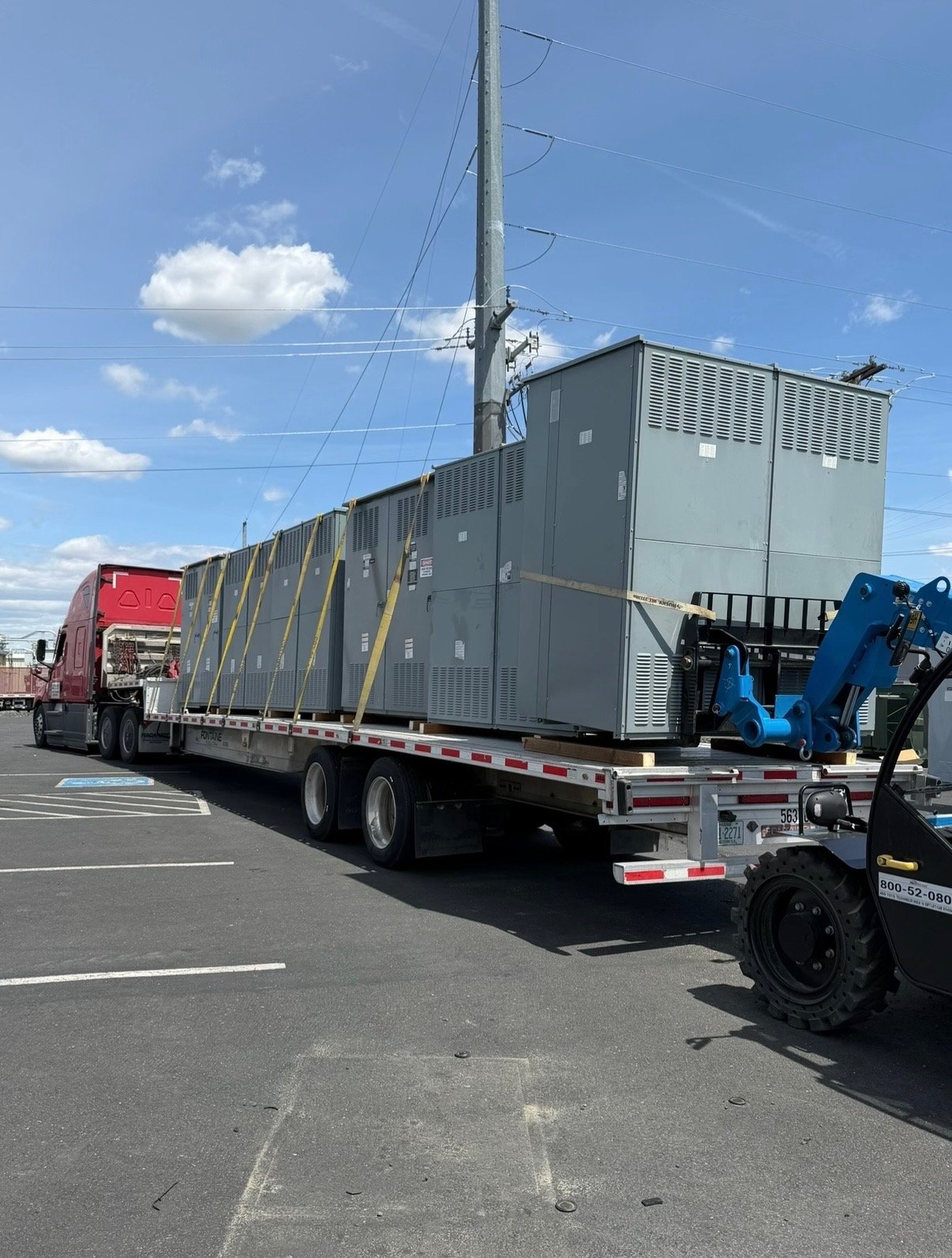
We buy electrical switchgear from decommissioned data centers and shut-down power plants, along with other surplus distribution equipment. For equipment we agree to buy, we handle and cover the crane, rigging, disconnects, loading, freight, and hauling. You do not need to arrange or perform that physical work: you get paid and our team handles removal and logistics. Qualified personnel follow site isolation and safety rules, and no seller testing is required.
Identify the equipment and the lot
Surplus distribution equipment may include switchboards, switchgear, motor control centers, panelboards, breakers, busway, transfer switches, or unit substations. In your list, distinguish complete assemblies from loose parts and identify the number of cabinets or pieces. Existing schedules, safely accessible labels, and photographs can help establish what is actually included. Mention any visible missing covers, devices, or accessories; incomplete information is still enough to start a conversation.
When reporting 1200 Amp equipment, distinguish the lineup's stated main rating from markings on individual breakers or other devices. If several sections are being offered, include the section count and state which label the rating came from. Photographs of visible labels and an existing equipment schedule can clarify the configuration without opening a cabinet. Do not estimate a missing rating from enclosure size.
Details that help us review an inquiry
For a first review, describe the equipment type, quantity, manufacturer, and any model and electrical ratings already recorded. Include the pickup location and whether the material is installed, removed, or in storage. Clear exterior photos and accessible nameplates help establish what the lot contains. If an existing asset list, one-line drawing, or section schedule is available, it may help explain a larger or more complex collection.
Describe condition without additional testing
We consider used, surplus, and decommissioned equipment, so describe its actual condition as accurately as you can. Tell us about visible corrosion, damage, missing doors, absent breakers, or parts stored separately. An existing maintenance history or previous test report can be shared if available, but it is optional. We do not require the seller to test, energize, operate, or certify the equipment to request an offer.
Keep electrical safety and site control first
We handle disconnection of purchased equipment, using qualified personnel who follow the owner's isolation procedures and applicable requirements. Equipment that looks inactive may still contain energized parts or stored energy, and large sections can be unstable when moved. Do not remove covers, handle conductors, or perform a demonstration for us. We need only information you can gather safely, and we do not require seller testing to review a potential purchase.
How an offer is considered
We review equipment across all voltage classes, including low-, medium-, and high-voltage distribution equipment. The value of a particular lot depends on factors such as the model, completeness, condition, quantity, and collection requirements. An offer is specific to the described items and is not a guaranteed price for every piece of gear. If a label or component is missing, disclose that early so the scope is clear.
We handle rigging and logistics
We handle and cover all rigging and logistics for the equipment we agree to buy: crane, disconnects, rigging, loading, freight, and hauling. There is no need for the seller to disconnect, lift, stage, or load the lot. Describe where the equipment is located and share any known access restrictions, site rules, appointment requirements, dimensions, or weights. Our qualified personnel coordinate safe isolation and disconnection under the site's procedures.
Cash offer and payment upfront
Our purchase process is based on a cash offer, not a trade-in or a consignment listing. When an offer is accepted, payment is made upfront before pickup, using the payment method agreed by the parties. The written agreement should identify the amount and the items included, along with the collection plan. The equipment must be reviewed before an offer is made, and an inquiry by itself does not guarantee a purchase.
Steps from first message to pickup
You can start with one clear message: what the equipment is, how much is available, where it is located, and when it can be released. Attach safely obtained overall and nameplate photos if possible, and identify any known missing or damaged components. If the lot is suitable, we can discuss an offer. Accepted purchases receive upfront payment, and we handle and cover disconnection, rigging, loading, freight, and hauling for the agreed equipment.
Common questions before you contact us
Can you ask about a mixed lot? Yes. List the different assemblies and loose devices separately so the proposed purchase is understandable. Must every label be readable? No; share what you have and identify any unknowns. Must the seller test the equipment? No. We review all voltage classes, but acceptance and price depend on the specific lot. Access, safe release, and any environmental or special-handling concerns should be discussed before finalizing terms.