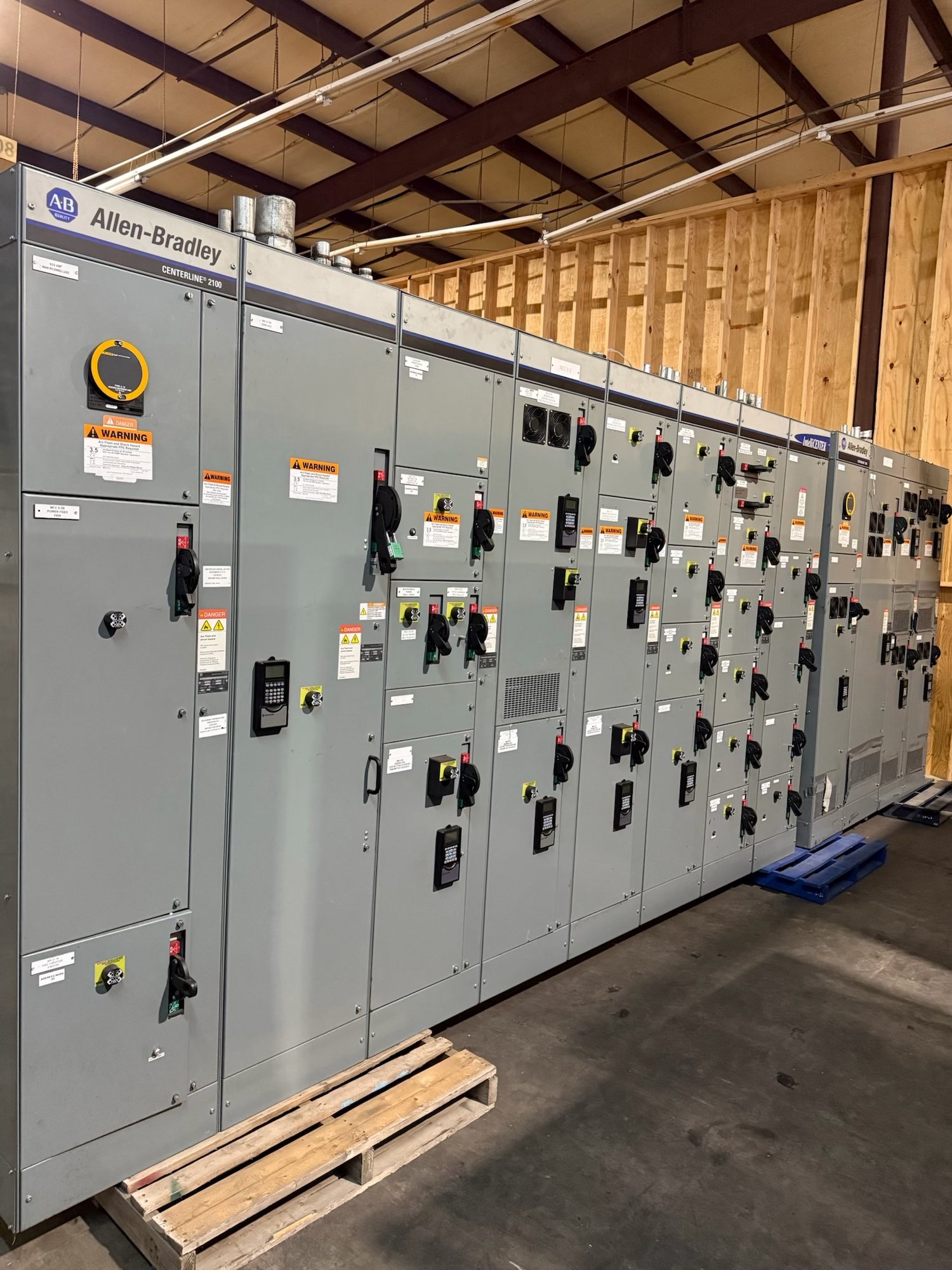
A practical way to sell electrical equipment
Retired switchgear and related electrical distribution equipment in Glens Falls does not have to remain in storage while you work out every detail of its history. We review used and surplus electrical equipment for purchase, including decommissioned assemblies and appropriate related components. The starting point is a description of the actual lot, not a promise that a particular unit will qualify. Share existing labels and photographs, and tell us what is included and where the equipment is located.
We buy electrical switchgear from decommissioned data centers and shut-down power plants, along with other surplus distribution equipment. For equipment we agree to buy, we handle and cover the crane, rigging, disconnects, loading, freight, and hauling. You do not need to arrange or perform that physical work: you get paid and our team handles removal and logistics. Qualified personnel follow site isolation and safety rules, and no seller testing is required.
Identify the equipment and the lot
Surplus distribution equipment may include switchboards, switchgear, motor control centers, panelboards, breakers, busway, transfer switches, or unit substations. In your list, distinguish complete assemblies from loose parts and identify the number of cabinets or pieces. Existing schedules, safely accessible labels, and photographs can help establish what is actually included. Mention any visible missing covers, devices, or accessories; incomplete information is still enough to start a conversation.
When the equipment is in Glens Falls, an approximate pickup location and a description of the site's access are useful from the outset. Mention security or appointment requirements, the location of the lot within the property, and any deadline already established by the owner. These details help us coordinate a potential collection without assuming a particular building, neighborhood, or site arrangement.
Details that help us review an inquiry
Start with the number of pieces or vertical sections, the manufacturer, and the model or series if it can be read safely. Record the stated voltage and amperage from accessible nameplates, along with approximate dimensions and weight if known. Photographs of the complete assembly, its exterior condition, and its labels are useful. For a mixed lot, list different types separately and indicate whether loose breakers or accessories belong with a particular lineup.
Describe condition without additional testing
We consider used, surplus, and decommissioned equipment, so describe its actual condition as accurately as you can. Tell us about visible corrosion, damage, missing doors, absent breakers, or parts stored separately. An existing maintenance history or previous test report can be shared if available, but it is optional. We do not require the seller to test, energize, operate, or certify the equipment to request an offer.
Keep electrical safety and site control first
Electrical equipment can present serious hazards even after it has been switched off. Do not open enclosures, touch conductors, remove covers, operate devices, or move unsecured equipment merely to take photographs. We handle disconnection for equipment we buy; qualified personnel coordinate with the authorized site team and follow applicable site procedures to de-energize, isolate, lock out, and verify a safe condition before disconnection or handling. The seller does not need to perform electrical work or testing.
How an offer is considered
An offer reflects the identifiable equipment, quantity, configuration, condition, and practical cost of handling the proposed lot. Current demand and the information available at the time of review can also matter. Nameplate voltage or a familiar manufacturer alone does not establish a price, and not every lot will be suitable for purchase. We review low-, medium-, and high-voltage equipment, so tell us the actual ratings if known.
We handle rigging and logistics
We handle and cover all rigging and logistics for the equipment we agree to buy: crane, disconnects, rigging, loading, freight, and hauling. There is no need for the seller to disconnect, lift, stage, or load the lot. Describe where the equipment is located and share any known access restrictions, site rules, appointment requirements, dimensions, or weights. Our qualified personnel coordinate safe isolation and disconnection under the site's procedures.
Cash offer and payment upfront
For a lot we agree to purchase, we offer cash payment upfront before the agreed pickup. Discuss the payment method and confirm the price, the exact equipment included, and the authorized seller before accepting. The term cash offer refers to a monetary purchase rather than a promise to deliver physical currency. The amount and purchase decision depend on the specifics of the lot.
Steps from first message to pickup
First, send your contact information, the equipment type, location, and available safe nameplate photographs. Second, describe quantity, known condition, and the date the lot could be released; existing drawings are welcome but not required. We review the information and discuss a cash offer if the equipment is a fit. If you accept, payment is upfront and we handle disconnection, rigging, loading, freight, and hauling, coordinating authorized access with the site.
Common questions before you contact us
Can you ask about a mixed lot? Yes. List the different assemblies and loose devices separately so the proposed purchase is understandable. Must every label be readable? No; share what you have and identify any unknowns. Must the seller test the equipment? No. We review all voltage classes, but acceptance and price depend on the specific lot. Access, safe release, and any environmental or special-handling concerns should be discussed before finalizing terms.